02 How New York Learned to See
From 1960’s bohemian downtown scene to Color Field’s formal geometry — this is the genealogy of how American painting decided what mattered.
The uptown itinerary is an archaeology of the New York art world’s formation. The Ellison Collection at Schoelkopf captures a specific moment — 1960, the Downtown scene on the verge — when Abstract Expressionism’s first generation was aging and its students (Bob Thompson, Elaine de Kooning, Wolf Kahn) were working out what came next. These are painters who existed in the gap between the mythology of the New York School and the institutionalization that followed. Alpha 137’s Landscapes, Cityscapes survey covers sixty-three artists across five decades and functions as a kind of index of the same geography: how do artists see the city that made them? And Leslie Feely’s F O R M answers the question Greenberg posed: what happens when you strip painting down to its essential properties? Frankenthaler’s stained grounds, Stella’s geometric logic, Dzubas’s color fields — this is formalism at the moment of its greatest conviction. Taken together, these three shows trace a single arc: from the gesture to the concept to the question of what the concept missed.
- 01ImpressionismDebra Force Fine Art · 13 East 69th StreetCloses Jul 2
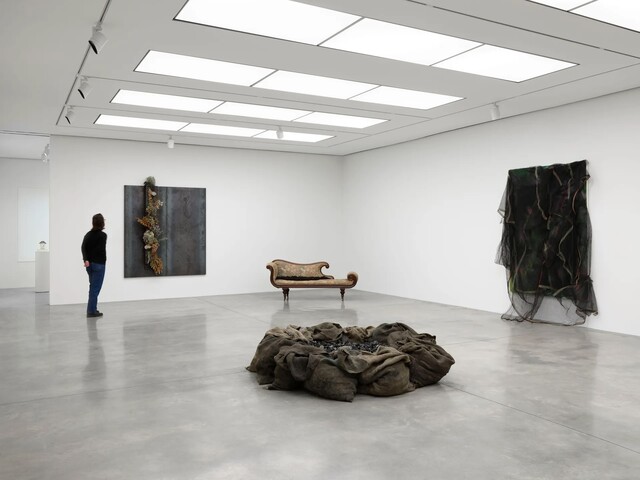
- 02David Hammons and Jannis KounellisWhite Cube · 1002 Madison AvenueCloses Jun 13
- 03F O R MLeslie Feely · 1044 Madison AvenueCloses May 31
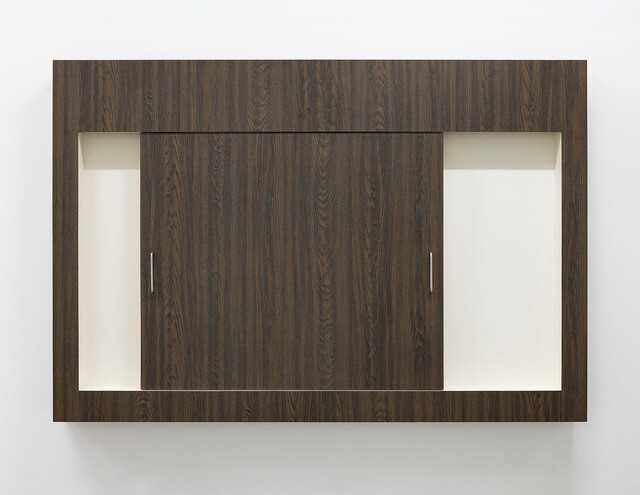
- 04Richard Artschwager / Gary HumeSprüth Magers · 22 E 80th St 2nd FloorCloses Fri May 22
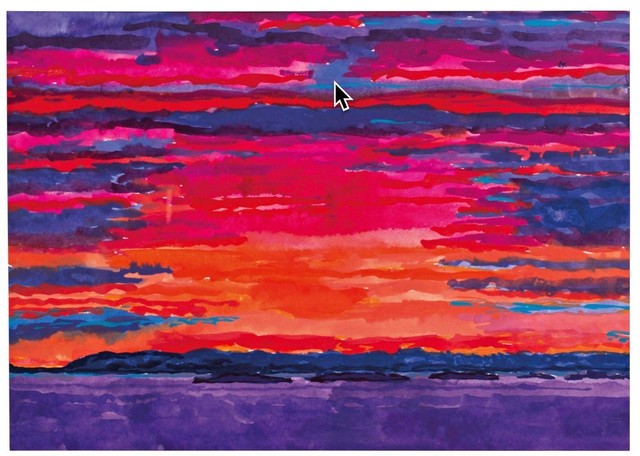
- 05Landscapes, Cityscapes, Waterscapes and SkyscapesAlpha 137 Gallery · 251 West 123rd StCloses May 27
Landscapes, Cityscapes, Waterscapes and Skyscapes
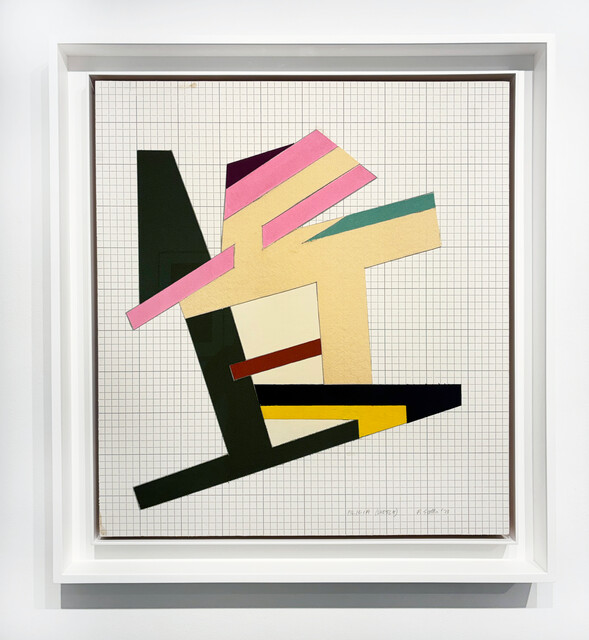
F O R M
Richard Artschwager / Gary Hume
David Hammons and Jannis Kounellis
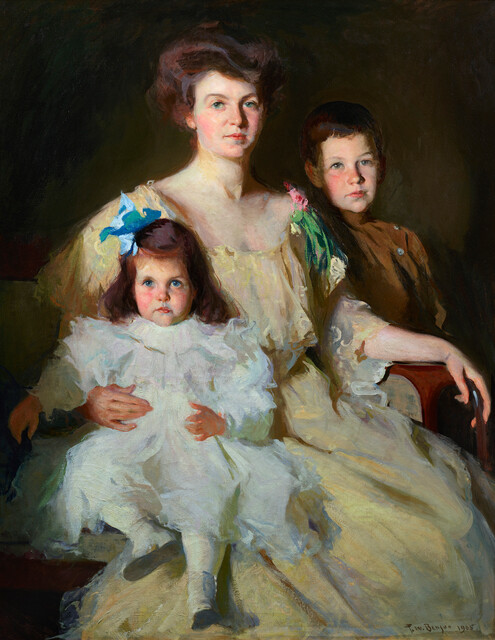
Impressionism